Custom Software Development
Senior engineering from India for global clients. Seven years shipping production web, mobile, SaaS, AI, and enterprise systems. Long engagements, embedded teams, no junior handoffs.
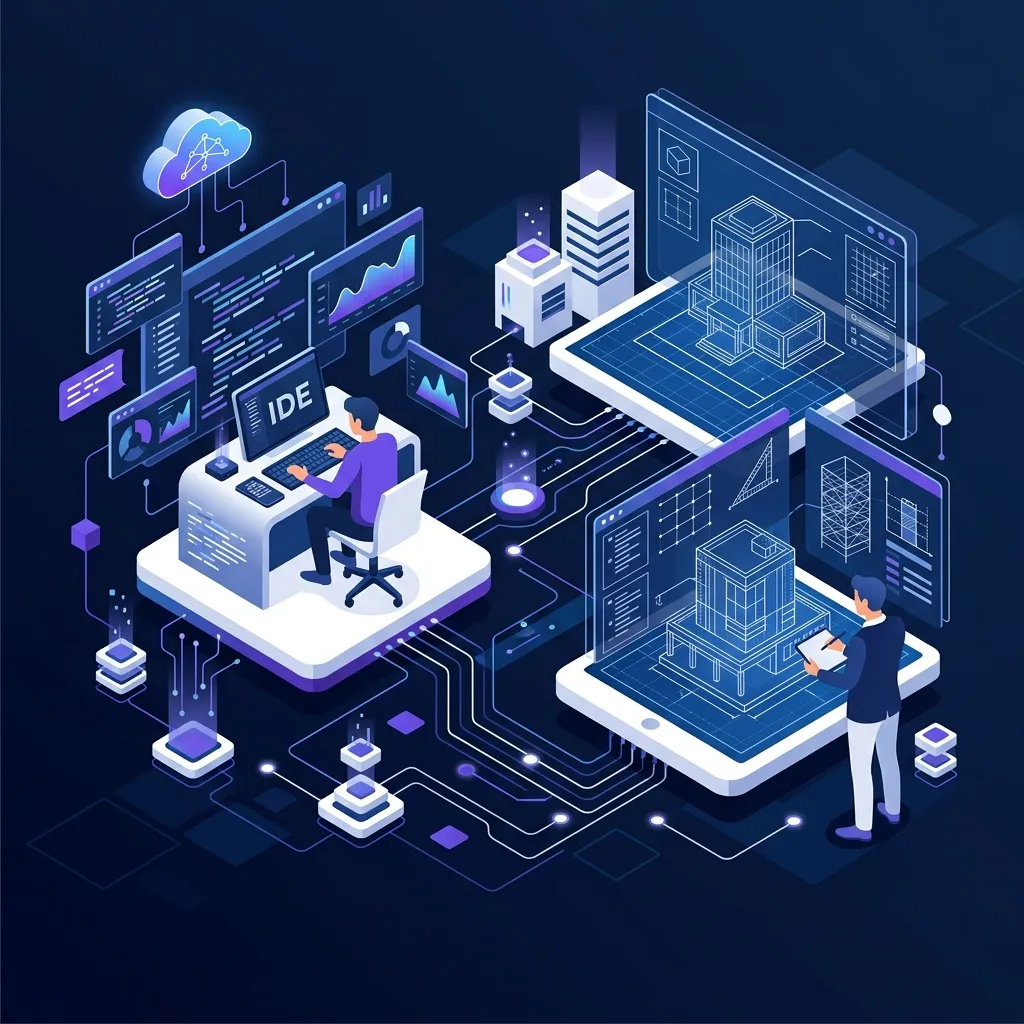
What custom software
actually means.
Custom software development is engineering a system designed for one business and its data, instead of buying an off-the-shelf product that almost fits. The shape of the system is decided by your workflows, integrations, and growth plan, not by what a SaaS vendor decided to ship.
TechMaven is a software engineering studio in Kochi, India, with global delivery. We have been building production software since 2019 for clients across healthcare, retail media, hospitality, finance, and charity. Every engagement ships with senior engineers, not rotating contractors. Our partnerships average seven years.
We build production-grade web apps, mobile apps, SaaS platforms, AI integrations, enterprise systems, and the cloud infrastructure that runs them. Same team across discovery, build, and operate. We also build and operate four SaaS products of our own: StaySynq (hotel operations), SmileQute (dental clinics), HRMSuite (HR & payroll), and RaceProOnline (event registration with AI face-recognition check-in). The same engineering bar as our client work.
Six engineering pillars, one senior team.
Most projects span more than one pillar. The same team works across them, so you don’t hand off frontend, backend, mobile, and cloud to different vendors.
Web platforms
React, Vue, Next.js, Nuxt, Svelte/SvelteKit. Server-rendered, edge-cached, accessible by default. Production-grade portals, dashboards, and content sites.
Mobile apps
Flutter and React Native for cross-platform; native Swift/SwiftUI and Kotlin/Jetpack Compose where performance demands it. Shipped to real app stores.
SaaS products
Multi-tenant architecture, subscription billing, identity providers, role-based access. Four of our own SaaS products run on this stack.
AI solutions
LLM integration (OpenAI, Anthropic, Gemini), RAG pipelines (pgvector, Qdrant, Weaviate), AI agents (LangGraph, MCP), ML pipelines, computer vision.
Enterprise systems
ERP, CRM, HRMS, custom CMS, internal tools. Audit trails, role-based access, integrations with the systems already in your stack.
Cloud & DevOps
AWS and Azure infrastructure, CI/CD pipelines, container orchestration, observability and monitoring. Part of the build, not an optional add-on.
Three engagement models, agreed up front.
We pick the engagement model that fits the project, not the model that maximizes our billing. The contract terms are agreed at discovery, not after the first sprint.
Fixed scope, fixed price
For projects with stable requirements and a clear definition of done. We scope, estimate, and quote a fixed price. Phased payments tied to sprint milestones.
Time & materials
For projects where discovery is ongoing or scope evolves. Billed per sprint at agreed daily rates. Same senior team for the duration, transparent burn reports.
Embedded squad
A senior team embedded in your standups, your Jira, your stack, for the long run. Quarterly capacity commitments. Most partnerships are here within twelve months.
Six phases. Same team across all of them.
We don’t hand the build off to a different team than the one that scoped it. The senior engineers in discovery are the ones writing the code, reviewing the PRs, and on-call after launch.
Value planning and scope
Tech selection and contracts
Two-week sprints, shipped builds
Code review, tests, observability
Production cutover with a runbook
We stay after launch
The stacks we build on in 2026.
We pick the stack for the use case. The list below is what we ship most. Not in love with any of it; in love with making the right call for your project.
Frontend
Backend
Mobile
AI
Data
Cloud & DevOps
We ship for. A short list.
Real systems, real production, real partnerships. Industries we have multi-year track records in.
Specific reasons, not clichés.
Most offshore pages put a bullet list of generics here. We are going to be specific instead.
Time-zone overlap that works
Kochi is GMT+5:30. That gives 4–6 hours of working overlap with EU teams every day, full overlap with APAC, and 2–3 hours of morning overlap with US East Coast. Teams adjust schedules to match.
Senior rates, not cheaper rates
A senior IC in India costs 40–60% less than the equivalent in the US, UK, or Australia. We frame this as a budget redirect: the money buys more senior hours, not the same project for less.
No SDR. No channel-manager tax.
You talk to the engineers from the first call. There is no commercial layer between you and the team. Our overhead is small and our pricing reflects it.
Same team. Seven years.
Operating from Kochi since 2019. The leadership has not changed. The senior engineers have not churned out. Several client partnerships are now seven years old. We are not the cheapest vendor in India and we are not a body shop.
What separates the studio from the body shop.
Most offshore vendors rotate juniors through projects and bill against a daily rate. We are not that shop.
Senior engineers, not handoffs
The senior who scoped your project is the one writing code. No bait-and-switch from sales to junior delivery team.
Partnerships that last
Prostate Cancer UK, Neugo, Wealth Analytica, kinetic.plus. Client relationships average seven years. Several have run longer. The proof is in the repeat work.
Production discipline by default
Code review, QA, monitoring, and observability are part of the engagement, not extras you bolt on after launch.
We own what we ship
Four SaaS products live in production today: StaySynq, SmileQute, HRMSuite, RaceProOnline. Same engineering bar as client work.
Real production builds. Real long partnerships.
Common questions from procurement and engineering leads.
What is custom software development?
Engineering a system designed for one business and its data, instead of buying an off-the-shelf product that almost fits. The shape of the system is decided by your workflows, integrations, and growth plan, not by what a SaaS vendor decided to ship.
How long does a custom software project take?
A focused MVP is typically six to ten weeks. A full production system runs three to six months for the first launch, with continuous delivery after that. We work in two-week sprints with a shippable build at the end of each one.
How much does custom software development cost in India?
Cost depends on scope, complexity, and engagement model. We offer fixed-scope contracts when requirements are stable, time-and-materials when discovery is ongoing, and embedded squads for long-term partnerships. We quote per project after a discovery call, not on a per-hour rate-card.
Do you work with US, UK, and European clients?
Yes. Most of our clients are in the UK, US, and Europe. Our team is in Kochi, India, with overlap windows that cover EU business hours. Long-running partnerships average seven years; clients include Tesco Retail Media, Prostate Cancer UK, Neugo, and Wealth Analytica.
What technologies do you use?
Frontend: React, Vue, Next.js, Svelte, Tailwind. Mobile: Flutter, React Native, Swift, Kotlin. Backend: Node.js, Python (FastAPI, Django), Spring Boot, .NET. Database: PostgreSQL, MongoDB, Redis. Cloud: AWS, Azure, Cloudflare. AI: OpenAI, Anthropic, LangGraph, pgvector. We pick the stack for the job, not by fashion.
Do you sign NDAs and protect client IP?
Yes. We sign an NDA before discovery on any project that needs one. Code and IP belong to the client by default in our master services agreement. We also support escrow arrangements and on-premise repositories for sensitive engagements.
Write us what you want
to build.
No SDR funnel. Engineering leadership replies within one business day. Send the problem, the stack constraint you're working with, the deadline you're staring at.
- Reply from engineering, not sales
- Honest scope estimate, not a deck
- Written discovery before any call